

The best gear ratio for off road driving isn’t a single number — it’s a setup matched to your tires, terrain, and transfer case. Short answer: for a dual-purpose rig on 33–35″ tires, 4.56 is the sweet spot; for dedicated rock crawling on 35–37″ tires, go 4.88 or 5.13. But axle gears are only one-third of the story — your crawl ratio (transmission × transfer case × axle) is what actually decides how slowly and precisely you can move over rocks.
Read this before buying gears.
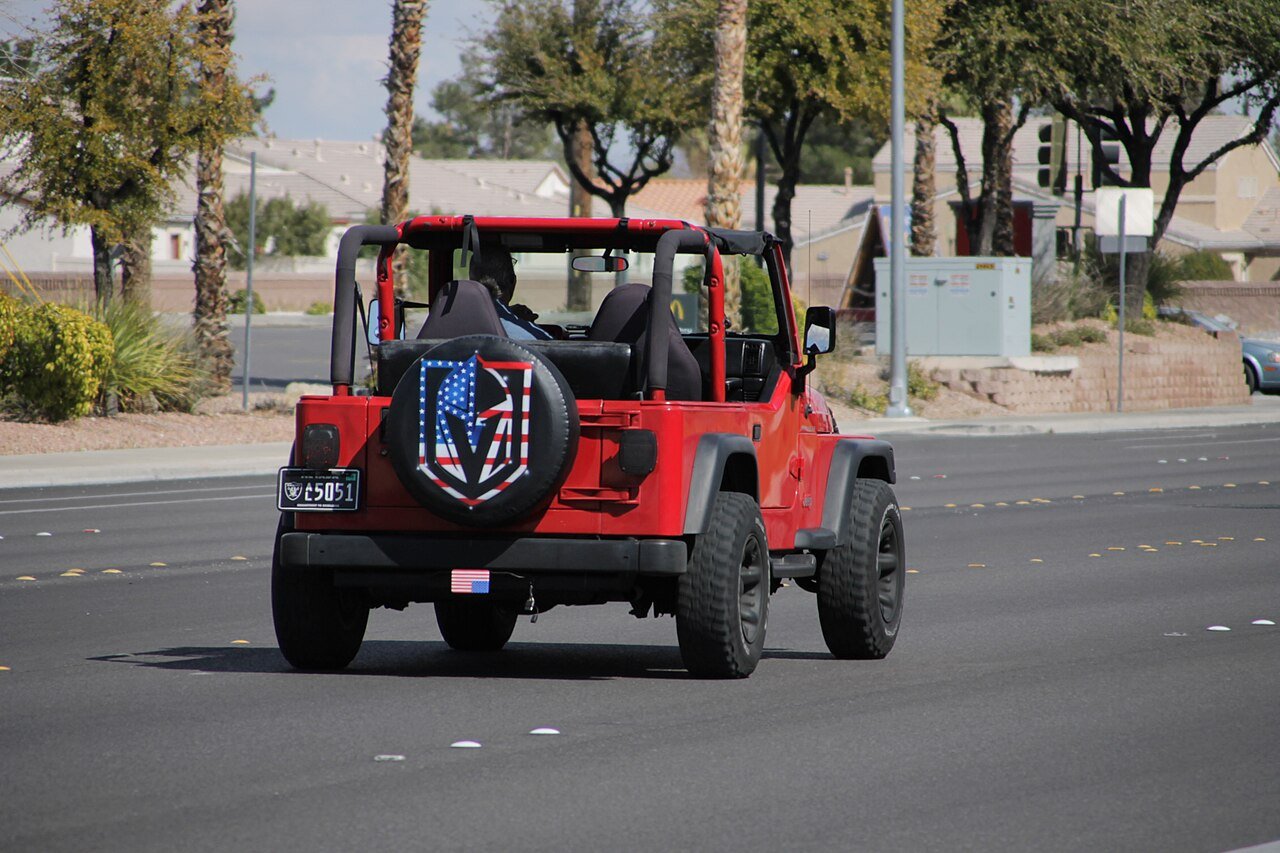
Different terrain wants different gearing
There is no single best gear ratio for off road use — there is only the right one for your terrain:
| Terrain | What it needs | Axle ratio range | Transfer-case note |
|---|---|---|---|
| Rock crawling | Maximum control at walking pace | 4.88–5.13 (35–37″) | 4:1 low range; crawl ratio 80–130 |
| Technical trails | Balance of crawl + wheel speed | 4.56–4.88 | 2.72:1 low range works well |
| Mud | Wheel speed to clean the tires | 4.10–4.56 | Don’t go too deep — you need RPM to fling mud |
| Sand | Flotation and momentum | 4.10–4.56 | Air down; gearing matters less than tires |
| Overlanding | Highway manners + trail ability | 4.10–4.56 | Stock low range is fine |
The real number: crawl ratio
Crawl ratio = first-gear ratio × transfer-case low × axle ratio. It measures how many engine revolutions it takes to turn the wheels once in your lowest setup. Two worked examples:
- Typical trail rig: 3.9 first gear × 2.72 t-case × 4.88 axle = 51.8:1
- Rock-ready Jeep: 3.83 first gear × 4.0 (Rubicon) t-case × 4.88 axle = 74.8:1
Guidelines: 50–80 handles trails; 80–130 is the rock-crawling zone; over ~130 gains you nothing. A 60:1 crawl ratio at an 800 RPM idle on 35″ tires moves you at just 1.39 mph — slow enough to place each tire deliberately. Deeper reading: crawl ratio explained, and run your rig in the axle ratio calculator. Pick your target crawl zone first, then work backwards to the axle gears — that order is how you actually find the best gear ratio for off road driving.
One more worked example, step by step. Take a 3.06 first gear, a 2.72:1 transfer case, and 4.88 axle gears: 3.06 × 2.72 = 8.32, then 8.32 × 4.88 = 40.6:1. That product is the number that decides the best gear ratio for off road control — everything else is commentary. It also tells you the torque at the wheels: multiply the crawl ratio by engine torque, so a 300 lb-ft V6 behind a 77.3:1 crawl ratio makes roughly 23,190 lb-ft at the wheels before the tires get their say.
For the full physics — torque at the wheels, tire radius, and minimum crawl speed — Jalopnik’s crawl-ratio deep dive walks through the same math with its own worked examples.
8 real builds: the best gear ratio for off road, worked out
Theory is cheap, so here is the math on eight real configurations — stock and re-geared — using factory-published ratios. Jeep figures come from FCA’s JL spec sheet (850RE automatic: 4.71 first gear; D478 manual: 5.13; Rock-Trac low range 4.0:1), Bronco figures per Ford (7-speed manual 6.588 crawler gear, 3.06:1 advanced 4×4, 4.70 Sasquatch axle), and Tacoma figures from 3rd-gen drivetrain data (6-speed auto 3.60 first, 2.57:1 case, 3.91 axle).
| Build | Tires | 1st gear | T-case low | Axle | Crawl ratio | Verdict |
|---|---|---|---|---|---|---|
| Wrangler JL Sport, 8-spd auto (stock) | 31″ | 4.71 | 2.72 | 3.45 | 44.2:1 | Fine on dirt roads; needs gears and traction aids for real trails |
| Wrangler JL Rubicon, 8-spd auto (stock) | 33″ | 4.71 | 4.00 | 4.10 | 77.3:1 | Trail-ready off the lot |
| Wrangler JL Rubicon, 8-spd auto (re-geared) | 35″ | 4.71 | 4.00 | 4.88 | 91.9:1 | The classic dual-purpose crawler setup |
| Wrangler JL Rubicon, 6-spd manual (re-geared) | 37″ | 5.13 | 4.00 | 5.13 | 105.3:1 | Idles over boulders; trailer it home |
| Bronco Badlands, 10-spd auto (stock) | 33″ | 4.71 | 3.06 | 4.46 | 64.3:1 | Strong stock crawler for its class |
| Bronco Sasquatch, 7-spd manual (stock) | 35″ | 6.588 | 3.06 | 4.70 | 94.75:1 | Deepest factory crawl ratio of the three |
| Tacoma TRD Off-Road, 6-spd auto (stock) | 31″ | 3.60 | 2.57 | 3.91 | 36.2:1 | Needs the most help of the three — re-gear first |
| Tacoma, 6-spd auto (re-geared) | 35″ | 3.60 | 2.57 | 5.29 | 48.9:1 | Respectable; a dual transfer case takes it further |
Two patterns jump out. First, the transfer case matters as much as the axles: the Rubicon’s 4.0:1 low range is why a stock Rubicon out-crawls a stock Tacoma despite similar axle gears. Second, the Bronco’s 6.588:1 crawler gear shows why manuals can cheat — one very deep gear does the work of an entire re-gear.
Tire size × axle gear: the interaction that matters most
Big tires steal torque (see effective gear ratio), so off-road builds re-gear deeper than the chart suggests for street trucks. That is why the best gear ratio for off road builds sits one step deeper than the same truck would want on the street:
- 33″ tires: 4.10 for trails, 4.56 for rocks
- 35″ tires: 4.56 for trails, 4.88 for rocks
- 37″ tires: 4.88 for trails, 5.13 for rocks
Automatics can run one step taller than manuals — the torque converter multiplies torque off idle (roughly 2× at stall), effectively adding crawl the gearbox doesn’t have. Manuals should lean deeper to compensate.
For quick reference, here is the same advice as a chart, extended to the sizes people actually run:
| Tire size | Daily driver + trails | Dedicated crawler |
|---|---|---|
| 31″ | 3.73 | 4.10 |
| 33″ | 4.10 | 4.56 |
| 35″ | 4.56 | 4.88 |
| 37″ | 4.88 | 5.13 |
| 40″ | 5.13 | 5.38+ |
Use the chart as a starting point, then check the highway penalty with the cruise-RPM formula: RPM = 65 × 336.13 × total ratio ÷ tire diameter. Take 35″ tires with 4.88 gears and a 0.67 overdrive: total ratio = 4.88 × 0.67 = 3.27, so RPM = 65 × 336.13 × 3.27 ÷ 35 ≈ 2,040 RPM — relaxed cruising. Without overdrive the same combo would spin near 3,050 RPM, which is why deep gears belong with modern multi-speed automatics.
The best gear ratio for off road is always the one that matches your tire size and your actual driving.
Three ways to go deeper: axle gears vs transfer case vs crawl box
There are three ways to deepen the best gear ratio for off road setups — and they fix different problems:
| Method | What changes | Highway effect | Typical cost | Best when |
|---|---|---|---|---|
| Axle re-gear (ring & pinion) | Final drive at both axles | Restores stock RPM with bigger tires | $1,500–3,000, both axles | You upsized tires and lost power everywhere |
| Transfer-case gears (e.g. 4:1 kit) | Low-range reduction only | None — high range untouched | $2,000–4,000+ | Street RPM is already right, but you want slower crawling |
| Crawl box / dual transfer case | Stacks a second reduction | None | $2,500+ plus labor | Dedicated crawler chasing 100:1+ |
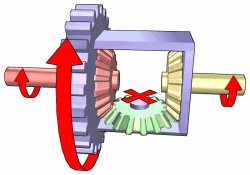
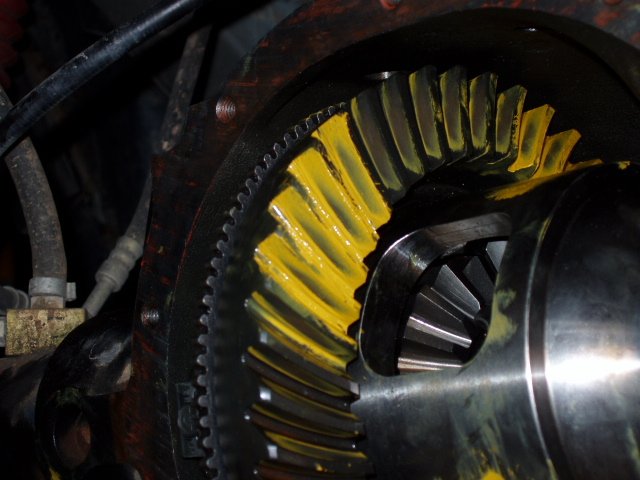
Axle re-gear is the default answer because it fixes both ends: it restores the effective ratio your bigger tires stole (see effective gear ratio) and deepens your crawl ratio. The ring gear bolts to the carrier and the pinion drives it — the tooth count between them is literally the ratio you’re buying. The torque-multiplication logic is the same one HowStuffWorks explains in its gear-ratio primer: every reduction trades speed for torque.
Transfer-case gears only touch low range, which makes them the surgical option: your highway RPM, towing, and fuel economy don’t change at all. This is the factory Rubicon trick — the same Jeep with a 4.0:1 Rock-Trac crawls dramatically slower than one with the 2.72:1 Command-Trac, on identical axle gears.
A crawl box (or dual transfer case) stacks a second low range behind the first, multiplying everything again. Hardcore Toyota builds have used this route for decades — one well-known Tacoma stacked a dual case behind 5.29 axle gears for an 85.25:1 crawl ratio. It’s the most expensive path, but it’s how you get past 100:1 without absurd axle gears.
Three example builds
| Build | Tires | Axle gears | T-case | Crawl ratio* | Verdict |
|---|---|---|---|---|---|
| Daily + weekend trails | 33″ | 4.10 | 2.72 | ~43 (auto) | Capable everywhere, calm on road |
| Serious trail rig | 35″ | 4.88 | 2.72 | ~52 (auto) | Strong crawl, still highway-ok |
| Dedicated crawler | 37″ | 5.13 | 4.0 | ~75+ (manual) | Idles over boulders; trailer it home |
*Approximate; depends on transmission first-gear ratio.
5 re-gear mistakes that cost real money
- Re-gearing only one axle. On a part-time 4×4, front and rear ratios must match exactly. Mismatched ratios turn the front and rear driveshafts at different speeds and will destroy the transfer case the first time you engage 4WD.
- Skipping the break-in. New gears need roughly 500 easy miles — no towing, no hard launches, with cool-down stops on long drives. Skip it and you’ll get gear whine or premature wear that no warranty covers.
- Forgetting the speedometer. New gears and tires change what the computer thinks is happening. Recalibrate for both, or your shift points, ABS, and odometer will all read wrong.
- Going deeper than your use case. 5.13s are glorious on 37s in the rocks and miserable on stock tires at 75 mph. Match the gears to the tires you actually run, not the tires you dream about.
- Cheap install on worn parts. Gear setup is measured in thousandths of an inch. Reusing pitted bearings or hiring the cheapest shop buys you whine, leaks, or a failed pattern — pay once for a reputable installer.
Gears vs lockers: which upgrade comes first?
If your axles are open (no limited-slip, no lockers), lockers first, gears second — an open diff sends all its torque to the wheel with the least grip, so the deepest gears in the world can’t save you on a crossed-up trail. That behavior is exactly what HowStuffWorks’ open-differential explainer demonstrates: the input pinion turns the ring gear and cage, and the power follows the path of least resistance. Lockers decide where the torque goes; gears decide how much of it arrives. Gearing and traction together define the best gear ratio for off road performance — neither one wins alone.
And as noted in the tire guides, a re-gear is the cheapest time to install lockers, because the carrier is already out — doing gears now and lockers next year means paying the labor twice.
Re-gear cost reality check
Expect $1,500–$3,000 for both axles with professional installation. Front and rear ratios must match on a 4×4. Deep gears (5.13+) cost more and fit fewer axles, and going from 3.73 to 5.13 shrinks the pinion enough that a Dana 30/35 becomes marginal — factor a stronger axle into the budget for extreme builds. Compared with the cost of a burned-up transmission from years of lugging on too-tall effective gearing, most owners consider it cheap insurance.
Don’t forget the rest of the drivetrain
Gears don’t work alone. Lockers (or at minimum limited-slips) decide whether that torque reaches the tire with grip; upgraded axle shafts survive the multiplied torque that deep gears create; and brakes must handle the bigger rotating mass downhill. A re-gear is also the moment to install lockers — the labor overlaps, so the shop bill barely grows.
Know your starting point before buying gears
Don’t order gear sets until you’ve confirmed what you actually have — used trucks are often already re-geared by a previous owner, and the door sticker won’t tell you. The rotation test in how to find your gear ratio without pulling the cover takes ten minutes with a floor jack and tells you the true installed ratio. Then run the restore math in the tire gear ratio calculator to pick your target. Only with a confirmed starting point does the best gear ratio for off road question have a real answer.
Frequently asked questions
What is the best gear ratio for rock crawling?
4.88 or 5.13 in the axles on 35–37″ tires, paired with a 4:1 (or deeper) transfer case, for a crawl ratio in the 80–130 range. Deeper than that adds little — control, not raw torque, becomes the limit.
Is 4.56 enough for 35s off-road?
Yes for trail riding and moderate rocks — it’s the most popular dual-purpose choice. Dedicated crawlers step up to 4.88 for the extra low-speed control. For most owners, 4.56 is the best gear ratio for off road trips that still end with a highway drive home.
Do I need a lower transfer case or deeper axle gears?
Both multiply together, but they serve different masters: axle gears restore highway RPM and towing after big tires, while a low-range transfer case buys crawl speed without wrecking highway manners. If your street RPM is already right, a t-case upgrade is the cheaper crawl improvement.
Are automatics or manuals better for crawling?
Automatics crawl smoother — the torque converter multiplies torque and prevents stalling, so they need less gear. Manuals give finer clutch control on technical lines but want deeper gears to compensate.
What is the best gear ratio for off road driving overall?
For a true do-everything rig on 33–35″ tires, the best gear ratio for off road balance is 4.56 — calm enough for the highway, deep enough for most trails. Specialize from there: 4.88–5.13 for rocks, 4.10–4.56 for mud, sand, and overlanding.
Can I re-gear only the rear axle to save money?
No — on a part-time 4×4, the front and rear axle ratios must match exactly. Mismatched ratios spin the front and rear driveshafts at different speeds, which binds and can destroy the transfer case the moment you engage 4WD. Budget for both axles or don’t start the job.
Plan the whole build: effective ratios and restore math in the tire gear ratio calculator, crawl ratios in the axle ratio calculator, and the full theory in crawl ratio explained.