

Why is my speedometer wrong? The short answer: your speedometer never actually measures speed. It counts how many times the wheels or driveshaft turn and multiplies by the tire size it assumes you have. Change what one rotation is worth — or break anything in that chain of assumptions — and the needle lies. Here are the six causes, how to tell which one is yours, and the fix for each.
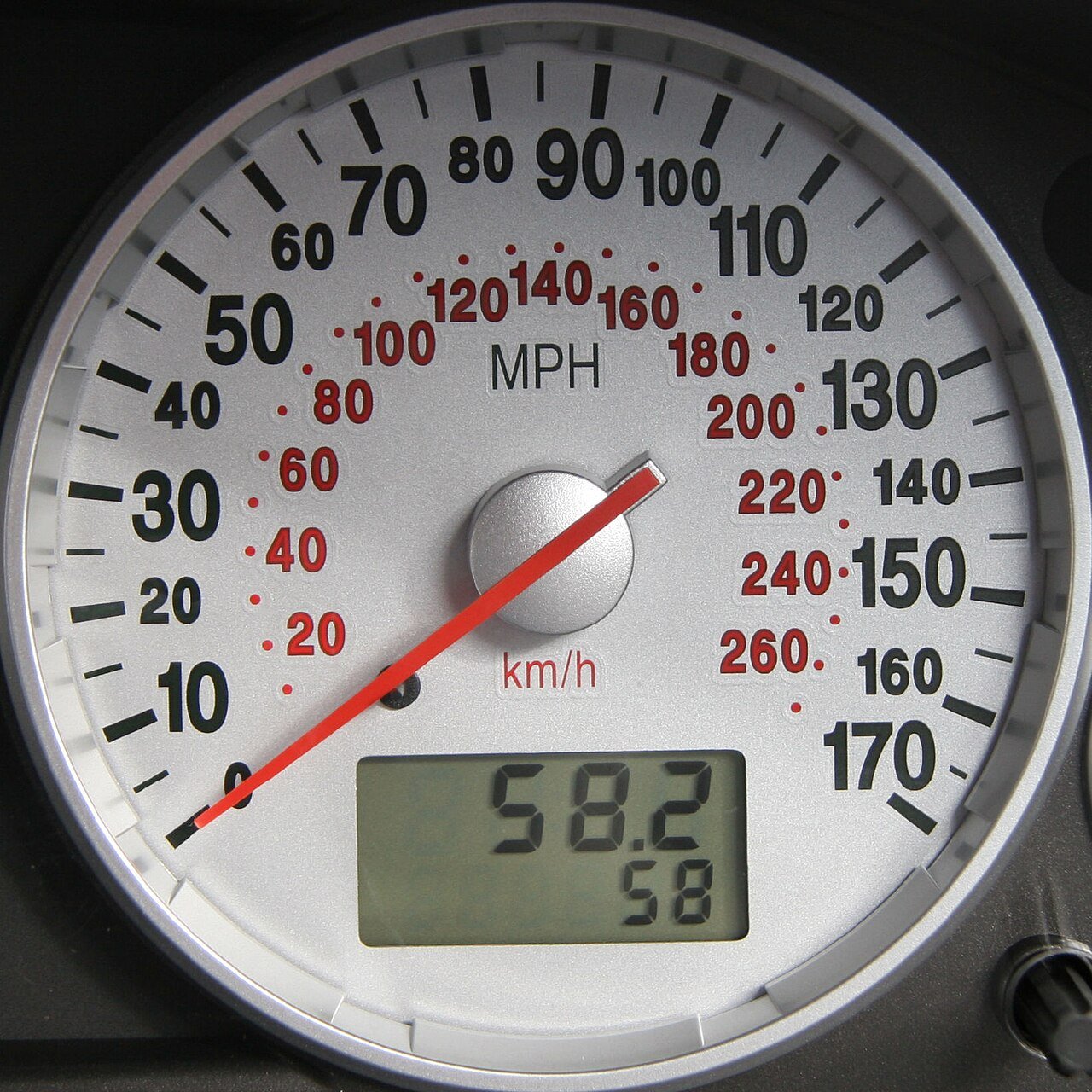
For the full history and mechanism behind these gauges, HowStuffWorks explains how speedometers work — the magnetic eddy-current setup inside a classic analog dial, and how electronic systems replaced the cable.
Cause 1: Tire size change (the big one)
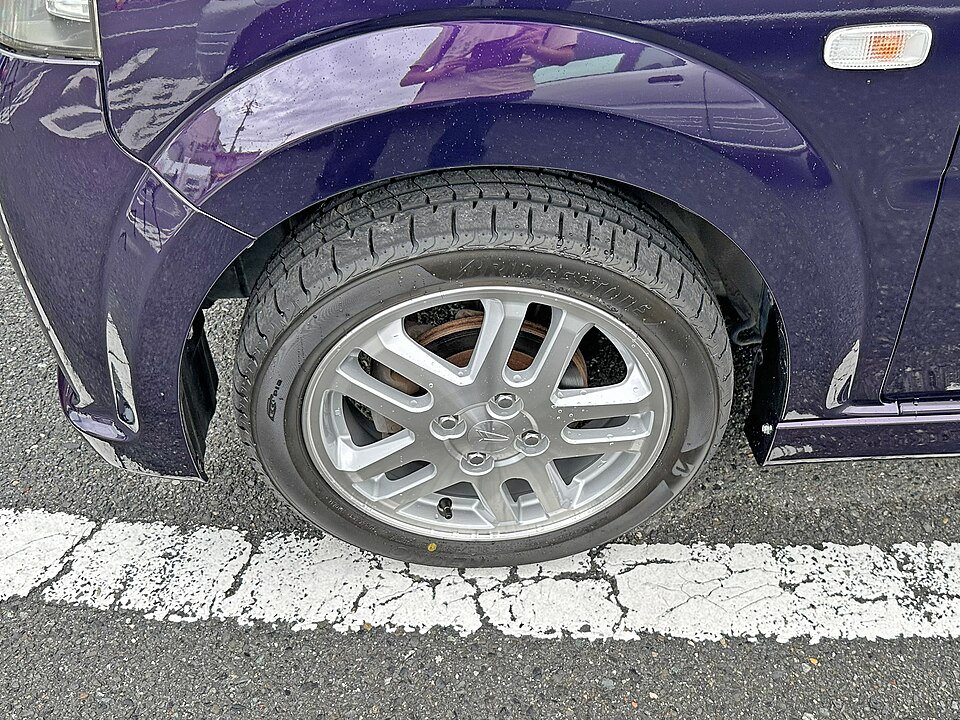
This accounts for the large majority of wrong speedometers. A taller tire travels farther per revolution, so the car covers more ground than the computer expects — and the speedometer reads low (you are going faster than shown). A shorter tire does the reverse.
The math: error % = (new tire diameter ÷ old tire diameter − 1) × 100. Going from 30-inch to 35-inch tires: (35 ÷ 30 − 1) × 100 = +16.7% — when the dash shows 60, you are actually doing 70. That is ticket territory, which is why recalibration matters. Run your own sizes through the speedometer gear calculator, then follow the recalibration guide to fix it.
If you just bolted on bigger rubber and are now asking why is my speedometer wrong, this is almost certainly your answer — the taller tire is the most common cause on trucks and Jeeps by a wide margin.
Why is my speedometer wrong after new tires? (worked numbers)
This is the number-one answer to why is my speedometer wrong on lifted trucks and modified daily drivers, so let’s turn the formula into hard numbers for the swaps people actually do:
| Swap | Error % | Speedometer reads… | Actual at dash 60 |
|---|---|---|---|
| 31″ → 33″ | +6.5% | LOW | 63.9 mph |
| 33″ → 35″ | +6.1% | LOW | 63.6 mph |
| 30″ → 33″ | +10.0% | LOW | 66.0 mph |
| 33″ → 31″ | −6.1% | HIGH | 56.4 mph |
| 265/75R16 → 285/75R16 | +3.7% | LOW | 62.2 mph |
Take the metric swap, step by step. The 265/75R16 has a sidewall of 265 × 0.75 = 198.75 mm, so overall diameter = 16 × 25.4 + 2 × 198.75 = 406.4 + 397.5 = 803.9 mm. The 285/75R16 gives 285 × 0.75 = 213.75 mm of sidewall and 406.4 + 427.5 = 833.9 mm overall. Error = (833.9 ÷ 803.9 − 1) × 100 = +3.7% — at a dash reading of 60, actual speed is 60 × 1.0373 = 62.2 mph.
That’s the kind of gap where you ask why is my speedometer wrong by “only” two miles an hour — and the answer is a few extra millimeters of sidewall per corner. Small swaps still matter, especially when they stack with the factory’s built-in high bias from Cause 3.
Cause 2: Gear ratio change (sometimes)
This one surprises people: on many vehicles a gear swap changes the speedometer after all. If the speed sensor reads the transmission output (driveshaft speed — the common setup on modern rear-drive trucks), it counts driveshaft revolutions, and driveshaft rpm = wheel rpm × axle ratio.
Swap from 3.55 to 4.10 on the same tires and you get about 15.5% more pulses per mile — the speedometer reads high. A gear change leaves the reading alone only on vehicles where the signal comes from a wheel-side tone ring or the ABS wheel-speed sensors, where the axle ratio never enters the math. The two-minute GPS test below settles it either way.
That last detail answers a head-scratcher: why is my speedometer wrong after a gear swap on a friend’s truck but not on yours? Different sensor locations, different outcomes.
Cause 3: Factory calibration (it was never exact)
Many speedometers read slightly high on purpose, straight from the factory. Manufacturers deliberately bias the gauge a few percent fast so that no driver can blame the car for a speeding ticket. In Europe, UN Regulation 39 even codifies it: the speedometer may read up to 10% + 4 km/h high, but never low. US rules are looser, but the practice is the same — if your GPS consistently shows 2–4 mph less than the dash on stock tires, that is usually by design, not a fault.
Wikipedia’s speedometer overview covers the magnetic eddy-current mechanism behind these gauges if you want the engineering background on how the needle is driven.
Cause 4: Worn or underinflated tires
Tires shrink as they wear — losing roughly half an inch of diameter over their life is normal, which makes the speedometer read about 2–3% high (showing 62 when you are doing 60). Underinflation does the same thing by reducing the effective rolling radius. Small, gradual, and rarely worth chasing — but it explains a 1–2 mph drift on an older set of tires. It is also a quiet contributor when owners ask why is my speedometer wrong even though nothing was ever changed on the car.
Cause 5: Wrong speedometer gear (cable-driven systems)
On older cable-driven speedometers, a small driven gear in the transmission sets the calibration. If a previous owner changed tires or gears and installed the wrong tooth count — or never changed it at all — the error is baked in mechanically. The fix is a $30 gear swap; the speedometer gear chart maps tooth counts to tire and axle combinations.
Cause 6: Failing sensor or electrical fault
A dying vehicle speed sensor, damaged wiring, or a blown fuse does not produce a consistent error — it produces erratic, jumping, or dead readings, often with an ABS or check-engine light. If your speedometer behaves differently from one minute to the next, that is a repair-shop problem, not a calibration problem. See our guide to what bigger tires change to rule out the modification causes first.
Error direction cheat sheet
| What changed | Speedometer reads… | When it shows 60, actual is… |
|---|---|---|
| Taller tires (30″ → 35″) | LOW (~16.7%) | 70.0 |
| Shorter tires (35″ → 30″) | HIGH (~14.3%) | 51.4 |
| Worn tires | Slightly HIGH (~2–3%) | ~58.5 |
| Factory stock, by design | Slightly HIGH (~2–5%) | ~57–59 |
| Axle gear swap, 3.55 → 4.10 (trans-output sensor) | HIGH (~15.5%) | ~51.9 |
Check the 35→30 row: (30 ÷ 35 − 1) × 100 = −14.3%, so actual = 60 × (1 − 0.143) = 51.4 mph. The odometer follows the same error, by the way — taller tires mean it under-records your miles.
How to check yours in two minutes
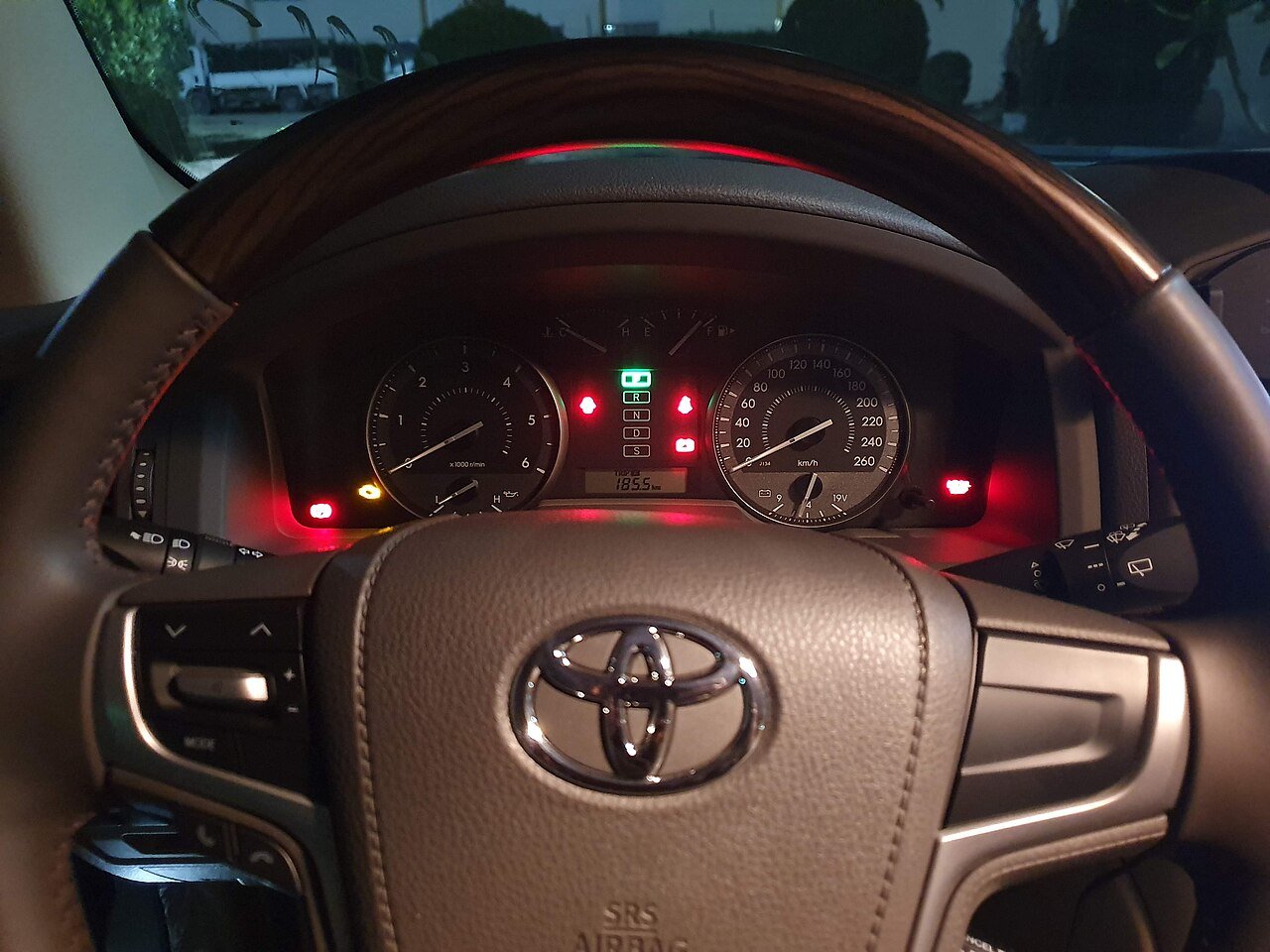
Before you fix anything, confirm the error and its size. This two-minute test tells you why is my speedometer wrong on your own vehicle — and by how much:
- GPS app: hold a steady speed on flat road and compare. The gold standard for most drivers.
- Highway mile markers: at a true 60 mph you pass one marker every 60 seconds. Time it with a passenger’s phone.
- Radar speed signs: useful as a rough cross-check, not gospel — they have their own tolerance.
GPS vs speedometer: which to trust
If you’re diagnosing why is my speedometer wrong, GPS is the reference instrument — not the dash. A phone GPS measures actual position change over time, so at a steady cruise on flat, open road it is accurate to roughly a mile per hour, independent of every cause listed above.
GPS does have weak spots: in tunnels, parking garages, and dense tree cover it loses satellites entirely; in twisty driving it lags, because a 1 Hz position update can’t track second-by-second cornering the way your car’s sensor can. So trust GPS for calibration checks on straight, open road — and trust the dash (once calibrated) for moment-to-moment driving.
The honest verdict: a GPS reading on a straight highway is almost always closer to your true speed than an uncalibrated speedometer. If the two disagree, believe the GPS and start working through the six causes above.
Why is my speedometer wrong by more on the highway?
If the dash looks right around town but wrong at 70, nothing is broken — the error is a percentage, not a fixed number of miles per hour. A 5% error means 1.5 mph at 30, 2.5 mph at 50, and 3.25 mph at 65. So a calibration problem can hide in city driving and show up on the highway, which is also why your GPS checks should always happen at cruising speed, not at 25.
Errors also stack. A +2% factory bias plus +3.7% from a mild tire upsize reads as one mysterious ~5.7% error — no single cause explains the whole thing. When the number won’t line up with any one cause, add them: tall tires plus worn-in pressure loss plus the built-in factory optimism can quietly combine past 8%.
Frequently asked questions
Is it illegal to drive with an inaccurate speedometer?
The speedometer itself being off is not usually a standalone offense, but the speeding it causes you is fully your responsibility — “my speedo was wrong” is not a defense. In some states a professional calibration certificate can help reduce a ticket in court, which is another reason to fix it properly.
Does the odometer lie by the same amount?
Yes — it uses the same signal. With taller tires your odometer under-records miles (the car looks lower-mileage than it is); with shorter tires it over-records. Disclose any known discrepancy when selling.
My speedometer jumps around randomly — what causes that?
That is not a calibration issue; it is electrical or mechanical. Suspects in order: failing vehicle speed sensor, damaged wiring or connector, a dry or kinked speedometer cable on older cars, or a failing gauge cluster. Get it diagnosed rather than recalibrated.
Can a tire shop or dealer fix it, and what does it cost?
Yes — dealers typically charge 0.5–1 hour of labor ($75–$150) for an electronic reflash, and any competent shop can swap a cable-driven speedometer gear for the part cost plus minimal labor. Details for both routes are in the recalibration guide.
Why is my speedometer wrong but my odometer seems fine?
The odometer uses the same signal, so it lies by the same percentage — you just don’t notice. A 5% error adds or removes only about 15 miles over a 300-mile tank, which is invisible in normal use. If the odometer is genuinely accurate while the speedo isn’t, someone has already corrected the odometer (a tuner, a replacement cluster, or a digital gauge like those Dakota Digital documents in its calibration procedure) while the speed signal itself still needs fixing.
Why is my speedometer wrong on my motorcycle?
Many motorcycles read 5–10% high straight from the showroom — the same never-read-low regulation logic, applied more aggressively. Tire profile and pressure matter more on a bike because the contact patch is small, but sprocket changes usually don’t affect the reading since the sensor sits on the gearbox output. If the error bugs you, an inline speedometer calibrator module or a dealer reflash fixes it.
Whatever the answer turns out to be when you ask why is my speedometer wrong, the repair order is always the same: measure first, change one variable, then verify against GPS.
Measure first, then fix: the free speedometer gear calculator tells you exactly how far off your speedometer is and what correction you need.